Product Description
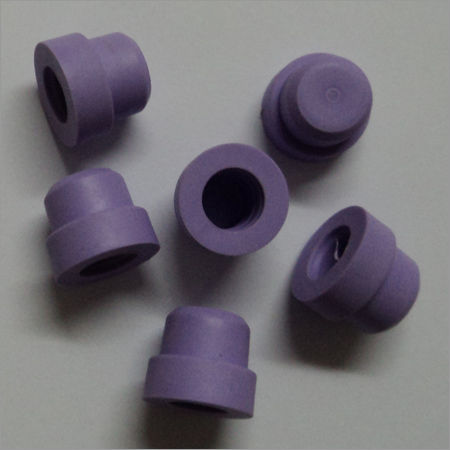
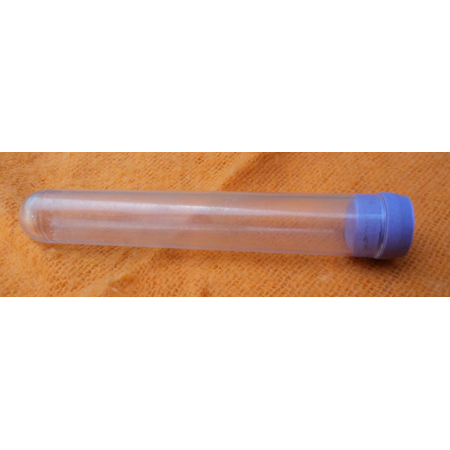
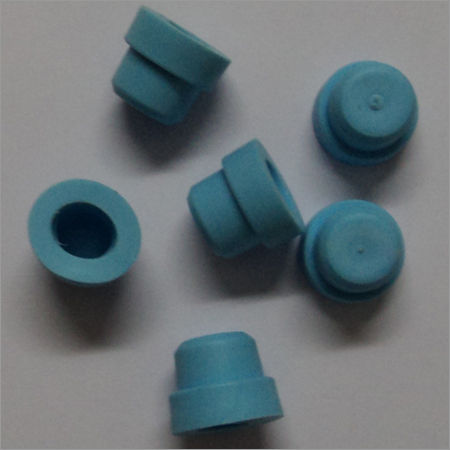
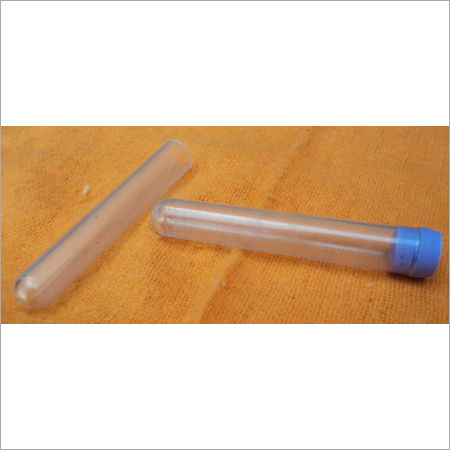
Our clients can avail from us amazing collection of Vial Rubber Stoppers/One Hole Rubber Stoppers. Manufactured using top quality rubber obtained from well-known vendors of the market, these products are highly demanded. These products are mostly applicable in hospitals, laboratories, medicine industries and many more places. Featured with, anti-contamination and perfect sealing, these products are well appreciated by doctors and scientists. These Vial Rubber Stoppers/One Hole Rubber Stoppers are available in various sizes to meet the needs of our valued clients.
Product Specification
Material | rubber |
Type | Rubber Stoper |
Diameter | 13 to 33mm |
Color | Any |
Brand | Shyamwell Pack |
Shape | Round |
Exceptional Chemical and Temperature ResistanceEngineered to withstand harsh laboratory conditions, these rubber stoppers offer impressive resistance to acids, alkalis, and a range of organic solvents. Their ability to tolerate temperatures up to 120C makes them suitable for a wide spectrum of standard chemical experiments and protocols.
User-Friendly and Versatile DesignThe single drilled hole allows precise tube or apparatus insertion, providing both sealing and accessibility for laboratory activities. The flexible, lightweight material adapts to multiple test tube or bottle sizes, making them indispensable in routine laboratory work.
Durable, Reusable, and Easy to StoreManufactured via compression molding, these stoppers exhibit long-term durability while maintaining their leak-proof features. Easy to clean and reusable, they have a shelf life of at least five years if stored in a cool, dry place away from direct sunlight.
FAQs of One Hole Rubber Stoppers:
Q: How are One Hole Rubber Stoppers typically used in laboratories?
A: One Hole Rubber Stoppers are primarily used to seal laboratory bottles, test tubes, and flasks, while allowing glass tubing or other apparatus to pass through the single hole. This makes them essential for various chemical experiments and fluid transfer tasks.
Q: What is the recommended process for inserting glass tubing into the stopper?
A: To insert glass tubing, slightly moisten the tubing and the hole before gently twisting the tubing through the drilled hole. Avoid excessive force to prevent tearing the rubber or breaking the glass. Wearing gloves is advisable for safety.
Q: When should I consider replacing my rubber stopper?
A: Rubber stoppers should be replaced if they show signs of cracking, loss of flexibility, or chemical deterioration. Ideally, with proper care and storage, each stopper can be reused for up to five years before needing replacement.
Q: Where should these stoppers be stored for optimal longevity?
A: For best results, store the stoppers in a cool, dry environment away from direct sunlight. Polybags or storage boxes are ideal packaging options to prevent contamination and preserve their material integrity.
Q: What benefits do these stoppers offer compared to alternatives?
A: These stoppers combine high chemical and temperature resistance with durability, leak-proof sealing, and flexibility. Their single-hole design supports various laboratory setups, and their lightweight, reusable nature reduces long-term operating costs.
Q: How customizable are the dimensions of these rubber stoppers?
A: Stoppers are available in assorted sizes and hole diameters, typically ranging from 3 mm to 10 mm, with customization possible to suit specific vessel openings and apparatus requirements.


 : 09898030175


 Send Email


 Send Inquiry
 Send Inquiry
 Send SMS
 Call Me Free


