Product Description
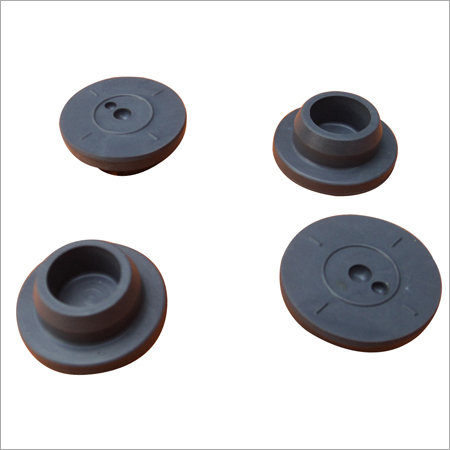
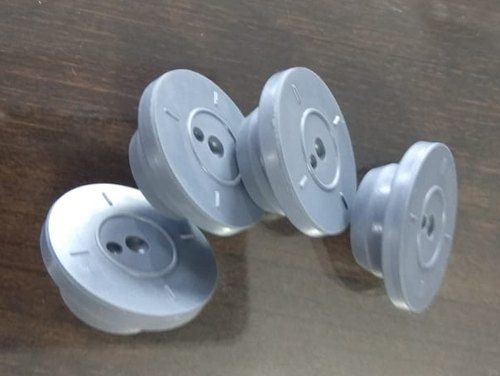
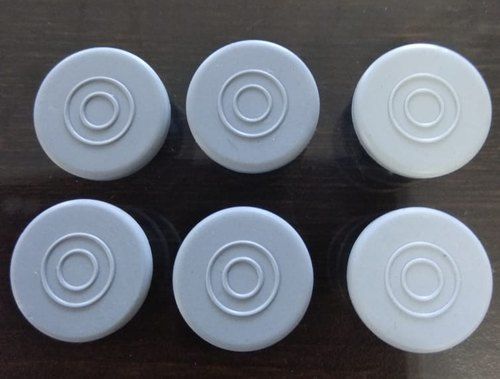
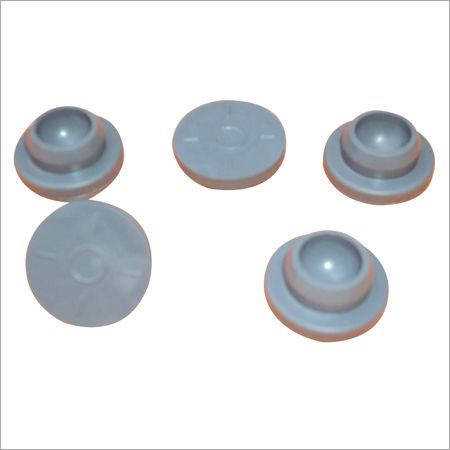
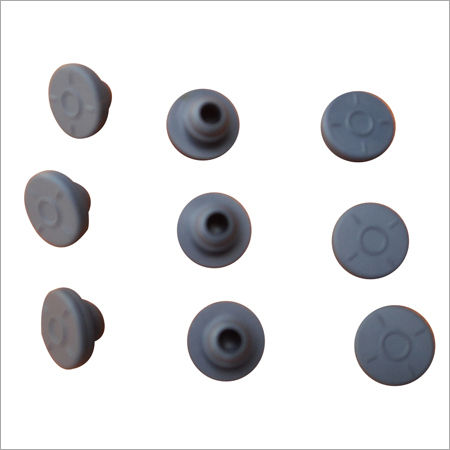
We are counted among the most distinguished organizations that are engaged in manufacturing, supplying and trading high quality Sterilized Rubber Closures. These products are manufactured using the best quality rubber available in the market. Our products are mostly demanded by hospitals, laboratories and many other places as these products provides perfect seal and is easy to use. We are able to offer these Sterilized Rubber Closures in various sizes and colors to meet our clients' requirements.
Product Specification
Material | rubber |
Type | Rubber Stopper |
Diameter | 13 to 33mm |
Color | Grey, Red |
Brand | Shyamwell Pack |
Shape | Round |
Premium Pharmaceutical Rubber ClosuresDesigned for reliability in critical settings, these sterilized rubber closures offer seamless compatibility with various glass and plastic injection vials. Engineered for ease of puncture and secure resealing, each unit meets stringent international pharmacopeia and USP Class VI guidelines. Their low ash, nitrogen, and volatile content underscores their exceptional purity, while durable synthetic rubber ensures consistent performance over extended shelf life.
Strict Sterilization and ComplianceClosures are sterilized using validated autoclaving or gamma irradiation processes to achieve a sterility assurance level of 10. Rigorous testing guarantees low endotoxin levels, minimal extractables, and compliance with global extraction standards. Customers can rely on trouble-free integration into both pharmaceutical and laboratory packaging workflows.
FAQs of Sterilized Rubber Closures:
Q: How are these rubber closures sterilized to meet pharmaceutical standards?
A: Sterilized Rubber Closures undergo either gamma irradiation or autoclaving, both of which are internationally accepted methods for achieving sterility in pharmaceutical products. Each batch is validated to a sterility assurance level of 10, ensuring the closures are safe for critical medical and laboratory use.
Q: What types of vials or containers are these closures compatible with?
A: These closures are specifically designed for compatibility with glass and plastic injection vials in a range of diameters (13 mm, 20 mm, 32 mm), making them versatile for various pharmaceutical and laboratory container types. Their precise design ensures a secure seal and optimized performance.
Q: When should I use sterilized rubber closures instead of non-sterilized options?
A: Sterilized rubber closures are essential whenever maintaining sterility of the container content is critical, especially in pharmaceutical filling and laboratory testing. Use them for injectable medications, sensitive reagents, and any applications requiring strict aseptic conditions.
Q: Where are these closures commonly found in use?
A: These closures are widely used by pharmaceutical manufacturers, research laboratories, and healthcare institutions across India and globally. Their high compliance and reliability have made them the preferred sealing choice for injectable vials and other sterile containers.
Q: What benefits do pharmaceutical synthetic rubber closures provide compared to natural rubber?
A: Pharmaceutical-grade synthetic rubber, such as bromobutyl or chlorobutyl, offers higher chemical resistance, reduced allergenicity, lower water absorption, and greater consistency than natural rubber. This makes them safer and more durable for pharmaceutical sealing applications.
Q: How do I ensure the proper fit and function of these closures for my application?
A: Select the closure size that matches your container neck diameter (e.g., 13 mm, 20 mm, 32 mm). The closures are available with flat or slotted tops, and optional central holes depending on application needs. Tolerance is maintained at 0.2 mm for a secure, leak-proof seal.
Q: What makes these closures compliant with global pharmacopeia standards?
A: These closures meet USP Class VI requirements, pass global extraction and endotoxin tests, and maintain strict limits on ash, volatile content, and other impurities. Each is manufactured and validated according to international pharmacopeia standards, ensuring safety and reliability for critical uses.


 : 09898030175


 Send Email

 Send Inquiry
 Send Inquiry
 Send SMS
 Call Me Free


