Product Description
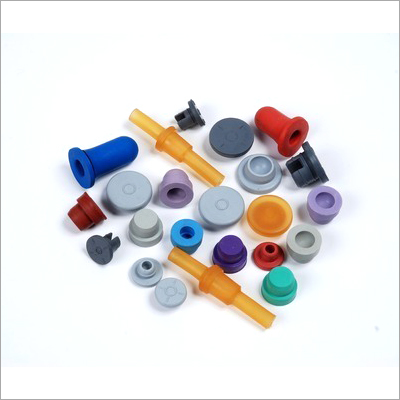
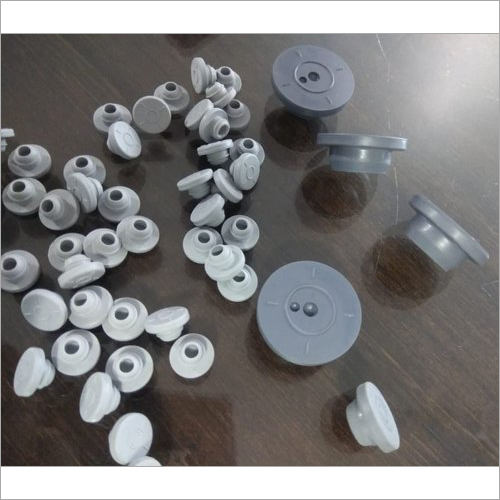
Rubber Surgical Component marketed by our company, is widely used as a surgical component in medical and laboratory works. This component is simple to keep in good working order for the next time. We take great effort to manufacture surgical rubber component in a safe and hygienic environment. Our Rubber Surgical Component is offered in a variety of specifications to meet the needs of the client. We provide high-quality rubber component for surgery that is exceptional in performance. This surgical component can be easily availed by our valued customers, at nominal pricing, as per their requirements.
Product Specification
| Material | rubber |
| Type | Rubber Stopper |
| Diameter | 13 to 33mm |
| Color | Grey, Red |
| Brand | Shyamwell Pack |
| Shape | Round |
Unmatched Sterilization CompatibilityOur rubber surgical components are fully compatible with leading sterilization methods, covering autoclaving, gamma irradiation, and ETO processes. This ensures that each component maintains integrity and safety for use in medical and surgical applications and supports hospitals infection control protocols without compromising material performance.
Precision Engineered for Medical ReliabilityDesigned with high flexibility, precise dimensions and low volatile matter, our components provide excellent mechanical properties and are custom-manufactured to diverse specifications. The use of natural and synthetic rubber, as well as advanced surface finishes, guarantees biocompatibility and reliability in the most demanding medical settings.
Superior Chemical and Ozone ResistanceEngineered to resist chemicals, acids, alkalis, and ozone, these rubber surgical components maintain durability and effectiveness under harsh operating conditions. Extended shelf life and robust resistance attributes maximize their value in the medical supply chain, providing peace of mind to both manufacturers and end-users.
FAQs of Rubber Surgical Component:
Q: How are rubber surgical components sterilized for safe medical use?
A: These components are designed for compatibility with three major sterilization methods: autoclaving (high-pressure steam), gamma irradiation, and ethylene oxide (ETO) gas. This versatility ensures that they meet stringent hygiene and safety standards required for medical devices and surgical equipment.
Q: What benefits does high flexibility and elongation at break offer?
A: With an elongation at break between 350% and 500%, these rubber components remain highly flexible, enabling them to absorb mechanical stresses and fit precisely within medical devices. This property minimizes risk of cracking or failure during use.
Q: When should I request customized sizes or specifications for surgical components?
A: Customized sizes and specifications are appropriate when standard dimensions do not meet the requirements of your particular medical device or application. You can specify width, diameter, length, thickness, and tolerance to ensure the component integrates seamlessly into your equipment.
Q: Where can these rubber surgical components be used?
A: They are optimized for use in a variety of medical and surgical applications, including devices, equipment, and specialized instruments. Their biocompatibility and non-reactive materials make them ideal for direct and indirect contact with patients.
Q: What is the process behind manufacturing these components?
A: Manufacturing involves precision molding or extrusion using high-quality natural and synthetic rubber compounds such as SBR, EPDM, and NR. Each piece is engineered to meet strict dimensional tolerance and performance requirements, followed by sterile packaging.
Q: Why is ozone and chemical resistance important for surgical rubber components?
A: Excellent ozone and chemical resistance ensures longevity and safety of the component when exposed to disinfectants, sterilizing agents, and environmental stresses. This property maintains mechanical integrity and extends the usable life in medical settings.
Q: How does packaging in sterile sealed poly bags benefit medical facilities?
A: Sterile, sealed packaging preserves the cleanliness of each component, preventing contamination during shipping and storage. This ensures that components are ready to use immediately upon arrival, supporting efficient workflow in hospitals and clinics.


 : 09898030175


 Send Email

 Send Inquiry
 Send Inquiry
 Send SMS


